
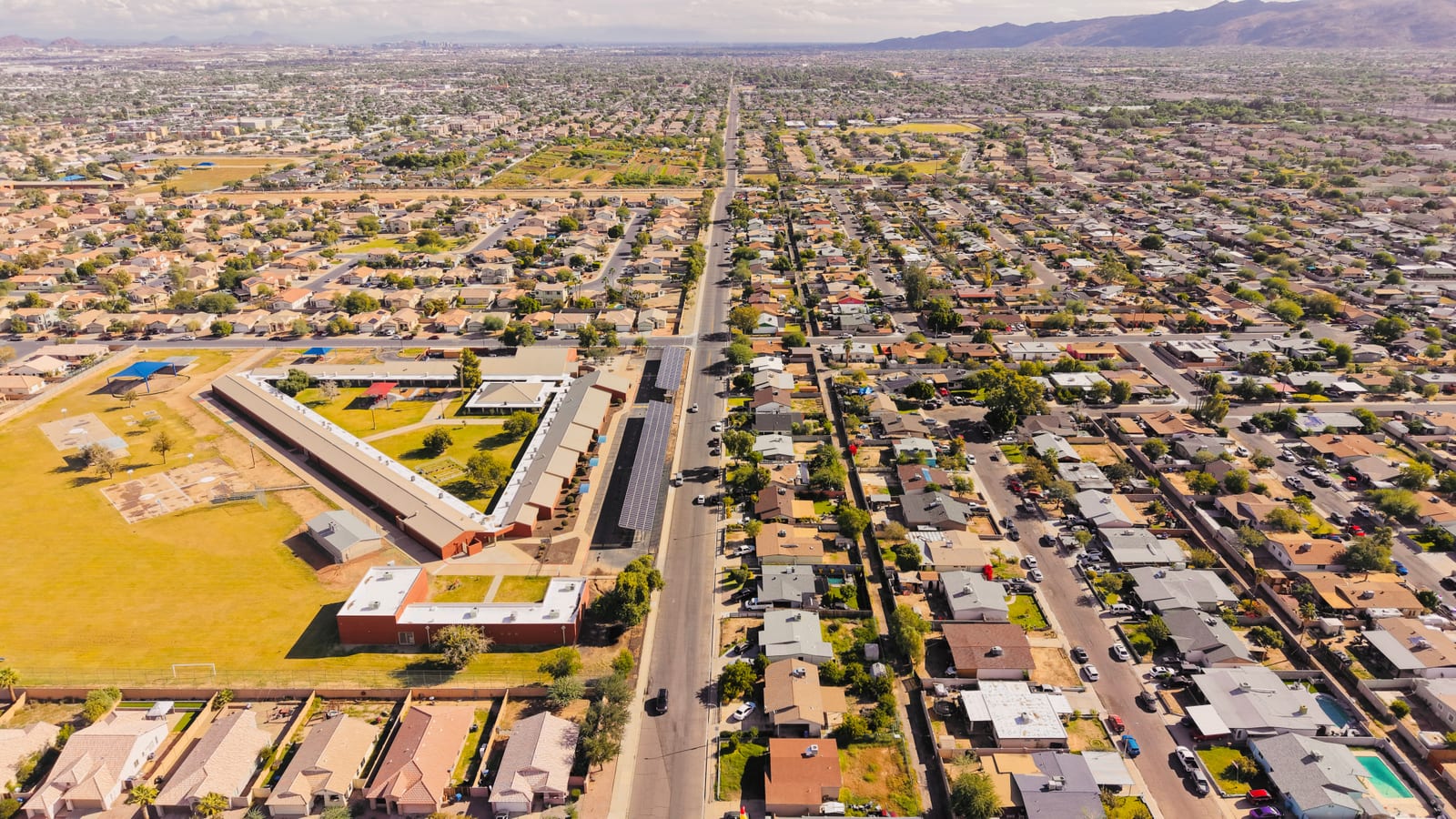
An unexplained sound, a damaged package and an insect at the door are reasons to investigate, not reasons to buy the same treatment. For pest control in Ashland Ranch, explain the evidence before choosing a method. An exterminator discussing your Gilbert, Arizona, home should connect the recommendation to the area affected and the pest identified.
Call (844) 716-0718 about your concern and confirm service for your address, the performing company and inspection scope. Have the room, entry point or exterior location ready so the discussion starts with useful information.
What an Ashland Ranch exterminator needs to identify
Begin with a short observation record. Write down when the problem occurs, where you first noticed it and whether it repeats. Separate a visible pest from a sound or mark whose cause you do not know. A clear photograph can help if it can be taken without contact or unsafe access.
Avoid opening a wall, climbing a roof or reaching into hidden storage to produce evidence. Tell the provider about access limitations instead. Mention visible leaks, disturbed packaging or a damaged seal, along with products already used. These details help define what an inspection needs to examine.
Ask what findings would distinguish a rodent issue from another explanation. For insects, ask whether identification can be made from an image or requires closer assessment. The first decision is what evidence supports the diagnosis; the method comes after that.
Describe the Ashland Ranch Road and Pony Lane setting
The Town of Gilbert open-space layer, compared with its named street geometries, records an open-space feature near South Ashland Ranch Road and East Pony Lane within the mapped neighborhood. Use that location when it actually relates to your own concern.
At a private frontage adjoining another managed area, identify which side of the property contains the observation. Is it beside your wall, in stored equipment or beyond the area you can authorize? Check accessible food residues, containers and door openings on your own property. Report a concern outside it to the appropriate responsible party.
Keep the description physical and specific. A wet container, an open waste lid and a threshold defect are actionable observations. An open-space map category does not tell the provider what those conditions are at your house. Ask which of your observations needs inspection or a maintenance response.
Call (844) 716-0718 to discuss the location involved and confirm the authorized areas before work is proposed.
Keep the Granite Street and Boulder Court concern separate
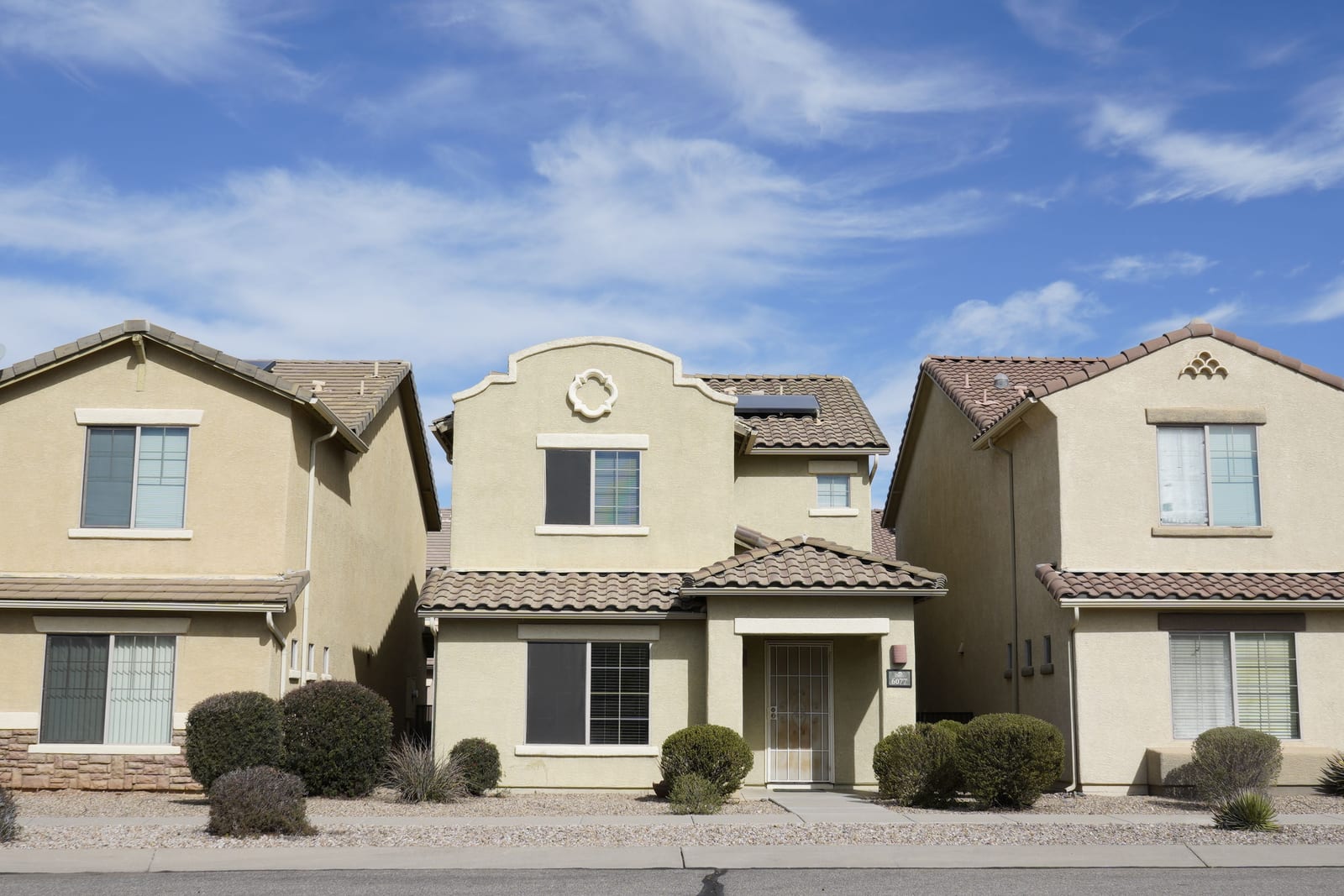
A second, distinct Town open-space feature lies near South Granite Street and South Boulder Court in the Ashland Ranch mapped footprint. This gives another precise reference point for an exterior issue. Do not combine it with a report from the Pony Lane setting unless the same problem is actually observed in both places.
If the concern is at your garage or a side entrance in this part of the neighborhood, explain the door arrangement and nearby storage. Note whether activity appears on the exterior side, inside the garage or beyond the door into the house. Ask whether the inspection needs access to all those transitions.
Treat a shared-area report and a household report as separate scopes. Give the responsible party the feature location and what you observed. For private work, ask whether the provider would inspect the threshold, an accessible penetration or another location supported by the evidence. The aim is a defined investigation, not a neighborhood-wide assumption.
Measure openings as maintenance questions
The Texas A&M School IPM rodent action plan states that a rat can enter through a 1/2-inch gap. That physical dimension explains why accessible door and building openings deserve careful assessment.
Look at the fit of the garage door, exterior doors and visible penetrations. Put defects on a repair list without declaring that each has been used by rodents. Preserve necessary ventilation and ask the appropriate trade to assess openings around equipment or inaccessible areas.
If rodents are suspected, ask which signs support that identification. Avoid handling unknown waste and request cleanup guidance appropriate to what is found. The rodent control information can help frame questions about investigation, identification and the response suited to confirmed evidence.
Call (844) 716-0718 with the location of the opening or suspected activity and ask what assessment should precede repairs or treatment.
Compare exclusion with the other tasks being offered
Exclusion is a building-access decision, not simply another name for treatment. A proposal should explain the suspected entry route, the repair method and the order of work. Ask how the provider would avoid closing animals into the structure and what checks would guide that sequence.
Distinguish inspection, any removal work, repairs and cleanup. Are those separate tasks or parts of one agreed scope? Ask which materials or areas need preparation and what precautions apply to residents and pets. Obtain the performing company's actual instructions rather than relying on a general service label.
The existing rodent exclusion page supplies a useful topic for comparison. Keep the decision tied to the opening and evidence at your home. A measurement alone should not become a promise about the result of a particular repair.
Leave room for an insect-specific explanation
If the observation is an ant trail rather than a rodent sign, record its route and destination. Clean accessible food residues, secure susceptible supplies and note visible water leaks. Ask for identification before applying several products that might not fit the proposed method.
The ant control information helps you prepare questions about a household trail. Explain whether it starts at a doorway, plumbing area or cupboard. Ask how the recommendation would address that route and how you should evaluate activity afterward.
For geographic context, review the existing location directory. Before choosing work through Gilbert Pest Control Pros, confirm address coverage and the performing provider. An explained inspection scope is more useful than treating every exterior observation as the same problem.
Ashland Ranch pest control FAQs
Does a nighttime sound establish a rodent problem?
No. Describe the timing and location and ask what evidence the inspection would seek. Avoid opening inaccessible spaces yourself. A provider should distinguish supporting signs from a sound alone before recommending rodent control or exclusion.
What information helps with a Pony Lane exterior concern?
Identify whether the activity is on your private frontage or beyond it and describe the actual feature involved. Mention accessible storage, food, water or a door opening. The named location helps orient the discussion, while the observations determine what needs assessment.
Should a Boulder Court report be grouped with activity elsewhere?
Only if you have evidence linking the concerns. Record each location separately so the inspection can follow the actual pattern. A report from another part of Ashland Ranch should not substitute for observations at your garage, yard or room.
Does a half-inch gap mean a rat has entered?
It is a possible entry dimension identified by Texas A&M, not proof of use. Ask which findings support identification and what repair sequence is appropriate. The exclusion service information can help structure that discussion.
What if the inspection identifies ants instead?
Ask the provider to explain the ant-specific recommendation, its placement and preparation. Record the trail and food or water source involved. A rodent-focused package should not be applied automatically to an insect issue simply because both appeared near the garage.
What should I confirm on an Ashland Ranch call?
Confirm the address, performing company, inspection access and work included. Ask for actual scheduling, preparation, precautions and follow-up terms. Call (844) 716-0718 with your evidence and any private/shared-area distinction that affects the proposed scope.